

We often talk about “getting in character” for actors, as if their job was to become someone else, in general.
Which presupposes at least two things:
👉 1. That by observing a person evolving in a situation (on stage or in life), one can infer their past, their history, their objectives…
👉 2. That any given individual can easily play their own life, and relive the same experiences on demand, simply because they have already lived them, or because they are themselves “the character.”
(In other words, that it is easy to “play your own role” with a precise script, shot list, blocking and stage directions.)
These premises are obviously false, and yet most “realistic” acting techniques are based on this assumption of a character that the actor should try and get closer to, in general.
Through exercises that are often ineffective, or even counterproductive or dangerous.
1. Because by observing a person engaged, for example, in a physical activity, like someone who is running,
👉 we can see if they are actually running or just pretending to
👉 we can see if they feel like running or if they are not motivated or engaged
👉 we can see how they run, for example with a particular style or technique
👉 but we cannot see why they are running (if we had this information elsewhere, it would then give new meaning to the behaviour we observe, by pre-framing it)
By preoccupying themselves with appropriating the “character’s objective” or their circumstances, the actor seeks to optimise their energy for a variable that is not observable.
Instead of striving to find within themselves what would motivate them to engage in this activity (like here, running) based on their own values, they add a layer of often superfluous work, which not only wastes their time, but also disconnects them by engaging them in an imaginary world that cuts them off from contact with their experience.
Sometimes, they even try to appropriate the character’s childhood, traumas or wounds, imagining that this esoteric and dangerous search will improve their performance.
2. Because even if the actor were to “become the character”, a task that is of course inaccessible and difficult to define in this way,
👉 it would not help them represent the scenes they must play in a more organic, believable, or aligned way
👉 since we cannot, ourselves, reproduce on command 10 or 15 times in a row for successive takes a first meeting, a breakup, or any other situation from our own life, simply because we are “playing our own role”
👉 a given person is not, from one moment to the next, from one day or one year to another, in the exact same disposition or mood
👉 the actor’s work is a specific professional skill, whether or not it relies on an established technique, and their role is to represent in an interesting way, that is also useful for the script, the observable behaviour of the character
👉 exploring a characterisation (which could be defined as a way of doing what one does, speaking with an accent, walking with a limp, adopting habitus related to the character’s social class in a habitual way for oneself…) does not require, for the actor, integrating the character’s childhood or their objectives.
💡 This information has its place in script analysis, to deduce the observable behaviour in question, but not in acting, to produce it.
The character is in reality an illusion for the spectator when they are absorbed in the performances they observe, but it is not an illusion for the actor.
This illusion comes from the superposition of the text with a subtext (the name given solely to the actor’s observable behaviour, not to their preparation or to what is happening in their head) within a context (sets, costumes, added music, prior information that pre-frames the behaviour, such as a dialogue heard in a previous scene…).
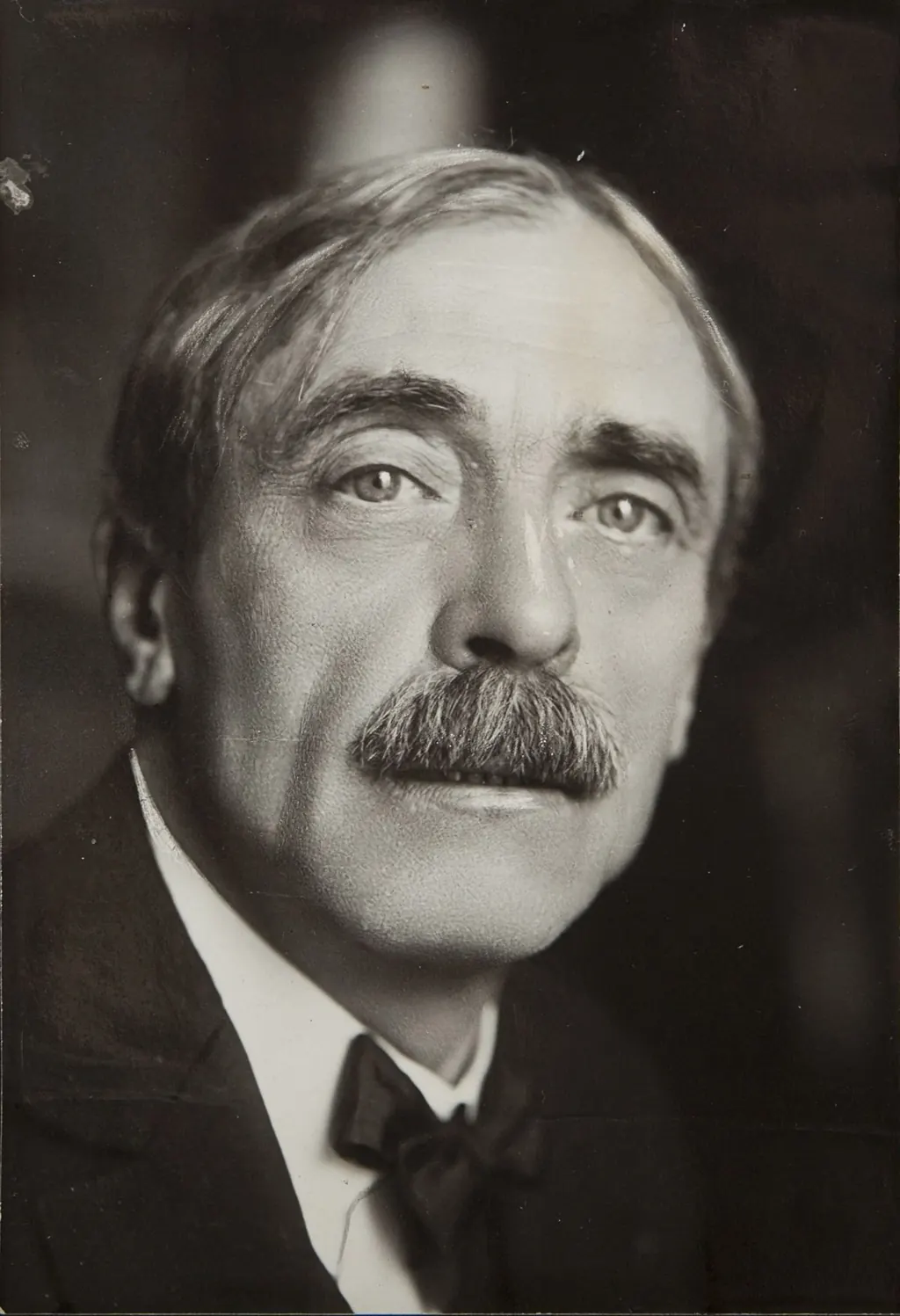
“Most men have such a vague idea of poetry that this very vagueness of their idea is to them the definition of poetry.”
Without clarity about the objectives of an acting technique at each stage of the work, the function of the exercises, the impact it has on the audience along the way, and how to apply it by translating external acting directions in service of a role, there is no serious training toward a professional skill for the actor.
Without the willingness to understand this complex field, there is no solid frame to explore this work either, indispensable for avoiding accidents or abuses of all kinds.
When faced with questions about their vague techniques, some practitioners respond that art cannot be reduced to methods that are too clear. They are like the amateur poets denounced by Paul Valéry.
With the important caveat that the financial and psychological impact, as well as the investment of time and energy, are not of the same magnitude between committing to an acting training and reading a poem.
Precising the fundamental principles of acting means clarifying:
📌 the aesthetic we look for, and why
📌 the ways to attain it in a professional context
📌 the ways to train in order to appropriate a technique effectively and safely
📌 the ways of working, in class and outside of class, to become autonomous in the work
📌 the tools used, their origins and their effects
📌 the links with related fields, often much more researched than acting techniques, in order to offer a coherent culture for the actor and an understanding of how their technique applies to different types of scenes, and how to adapt exercises to one’s own personality
🧑🔬 Join our Online Studio Lab to explore these concepts in practice…