
This text was sent on August 13, 2022 to subscribers to our private emails “The actor’s news”, which you can join at the end of the page.
To go directly to your favorite section, you can scroll down the table of contents at the top of the page.
I hope you are well and enjoying your holidays.
🎬 In this email, I’ll invite you, among other things, to launch a small short-film production this summer, with a few steps and references, and I’ll give you some leads for exploring writing or editing in a playful and effective way.
👉 To go straight to the parts that interest you, the index is just a little further down.
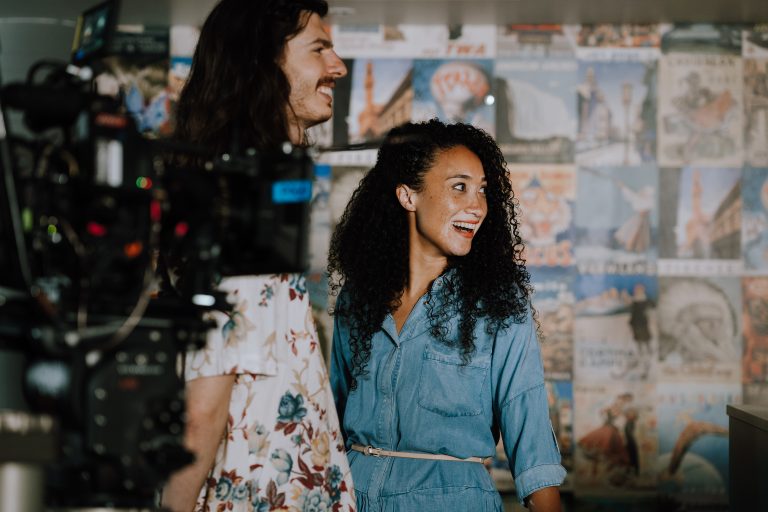
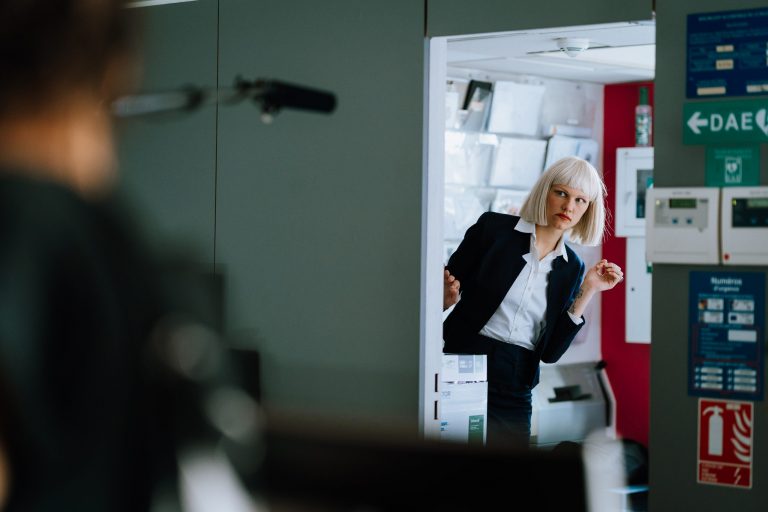
Every summer, I think back to the first "Meisner" teacher I worked with, who encouraged me to create Paris Meisner Studio in the first place, Anthony Montes, who often talked to us about creating your own opportunities.
🤓💭🏫
His encouragement also motivated Angela Blake to create the SmartFone FlickFest, one of the now numerous Smartphone Film Festivals, that is, short-film festivals reserved exclusively for films shot with mobile phones, instead of very expensive cameras.
👩🏻💻💭 📽
The school, like this festival, has evolved enormously since then, and both have meant a lot of long-haul work, not always easy, but sometimes, all it takes is someone giving you permission to start, with what you have.
Which is also what Martin Scorsese says here about the opportunities available to us today. You don’t necessarily need a 100-million-euro budget. Create a new art. Take what is available.
🧑🎓 This is a notion that has sometimes come up when we talk about career coaching, and the question is then often: how, concretely, do you create your own opportunities?
💌 I hope this email can give you too the permission, and a few concrete leads, to launch a new project this summer that lets you create new opportunities for your acting career.
🏖 Summer resolutions
We often make resolutions in January, when we are worn out by the cold, by the three months of the autumn term that ended the summer holidays, by the sometimes stressful organisation of the end-of-year festivities, by the overdose of Christmas log and the prospect of going back to work right after.
Why not make resolutions more regularly, and at least a second time a year: in summer?
For these few leads for the month of August, you can go straight to the part you prefer; here is the index:
🎬 Set a short-film project
👉 Because it’s one of the best times to write
👉 Because it’s one of the best times to produce
🧭 Launch a new line of study or a practice related to acting
✂️ Take up editing
🎬 Set a short-film project
There are 3 reasons why August is the best time to launch a short film.
1. It’s one of the best times to write
The usual first stage of an audiovisual creation is pre-production, and scriptwriting.
So you need to
👉 find the idea,
👉 write scenes, dialogue,
➡️ without judging yourself at first, to keep moving,
👉 then shape them,
👉 ask for feedback,
👉 why not have actors read them, to get them out of your head and off the page a little,
👉 rewrite them,
👉 rewrite them again,
👉 set up improvisations to see whether things emerge, humanly, that are more natural than the ideas you had of the situation,
👉 or go and dig into your database of dialogue ideas, which you may have captured over time, for what you could use or adapt…
And what better time to write than when you have time "to rest"?
🥵 After 2 or 3 afternoons at the beach, stocking up on carcinogenic sunburn and on family or friendly conversations you eventually run out of, you can feel something letting go a little.
😎 And that’s great too, because you rest and can come back even fuller for the new season.
🥱 But often, a full month of French-style holidays can be a lot. And counter-productive in terms of managing your energy, and getting going again.
💬 A little story to motivate you (maybe…), on why Elon Musk never takes holidays:
🚀 At the end of December 2020, Elon Musk allowed himself to take his first holiday in years.
🧑⚕️ He then caught, in Africa, the most virulent form of malaria, which was misdiagnosed on his return to California in January, when he ended up in hospital.
🦸♂️ At the last minute, a doctor from another hospital who happened to be passing through, and had seen many cases of malaria, recognised the problem and immediately prescribed chloroquine, one day before the treatment would have become ineffective.
🏥 Elon Musk spent a dreadful week in intensive care. He lost 20 kilos and it took him 6 months to recover.
🪦 “I came very close to dying,” Elon Musk would later say. “That’s my lesson for taking a vacation: vacation will kill you.”
Excerpt, adapted from the book Elon Musk: Tesla, SpaceX, and the Quest for a Fantastic Future (Ashlee Vance)
Without necessarily going to these extremes of productivity worship, why not allow yourself to write a little more every day during your summer holidays?
💡 If you set yourself no demand for results, writing can be very restful too, and therapeutic.
A small, very effective trick:
👉 Write every day at the same time, or right after the same daily activity, for instance
➡️ every morning when you wake up
➡️ every day after your coffee and your shower
➡️ every evening after meditating and before sleeping…
➡️ That way, you’ll build a habit that becomes easy to follow, without having to "re-motivate" yourself each time or make the tiring decision to sit down and write all over again.
➡️ Set that time in your calendar or set an alarm, and switch off your phone and distractions during that time.
👉 If you feel you are "procrastinating" or "blocked", write anything at all, and get the act of writing going. As is often the case, appetite, or inspiration, comes with eating, or doing.
👉 It’s one of the best-known techniques of Seth Godin, one of the most prolific marketers and authors of our time: you don’t need to be in a good mood, or to like what you’ve written, to do good work, or to work at all. The point is to produce something, without hoping to be satisfied with it. His motto is: “Show me your bad work.” And the art of writing is often in the rewriting.
🏝 Holidays are a good time to write, because: you have time, you are far from everything and it’s easier not to judge yourself, you can step back and calmly launch into a creative project, without pressure.
👉 If you follow our Journaling exercises, or read the “Letters to a Young Poet” on our reading list, you can also simply write drafts and versions of your script straight after your daily writing exercise, as you start your day.
2. It’s one of the best times to produce
Once past the writing stage, this summer break of one or two months, these “grandes vacances”, is also one of the best times to produce a film.
In Paris, for one, since there are almost no Parisians left in Paris in August. It’s calmer, there’s beautiful light, little rain, less noise… and shooting is easier.
You can also motivate friends, acquaintances, or people you contact directly or through ads, for instance simply on Cineaste, who might also feel like committing to a short, inspiring project this summer.
Finally, it’s one of the best times to produce because many small festivals that impose short formats or small budgets are open right now, and at least until September.
💝 To name two:
👉 the famous Nikon Film Festival,
👉 whose theme this year has been announced as “the number 13”
👉 and whose format of 2min20 max is a stimulating creative constraint that allows relatively short shooting and writing times
👉 The “SF3” SmartFone FlickFest, mentioned above,
👉 for formats that are also quite short
👉 and where you won’t be competing with big productions and their outrageously expensive cameras
👉 since it’s about shooting with your smartphone
A few tips:
1️⃣ Shoot in golden hour, and in any case never after the warm lights (yellow and orange) of the sun have gone
👉 The time of day when the sun is setting is one of the best times to shoot on a mobile phone. It’s also when natural light is at its most cinematic, soft, colourful and easy to work with
👉 By contrast, some cameras now work very well in "low light" and can give lovely images, but phones are on the whole pretty dreadful in those conditions (for instance during the "blue hour" that follows, or at night)
👉 No equipment is bad in itself; the point is to use it in good conditions and, above all, to bet on its strengths.
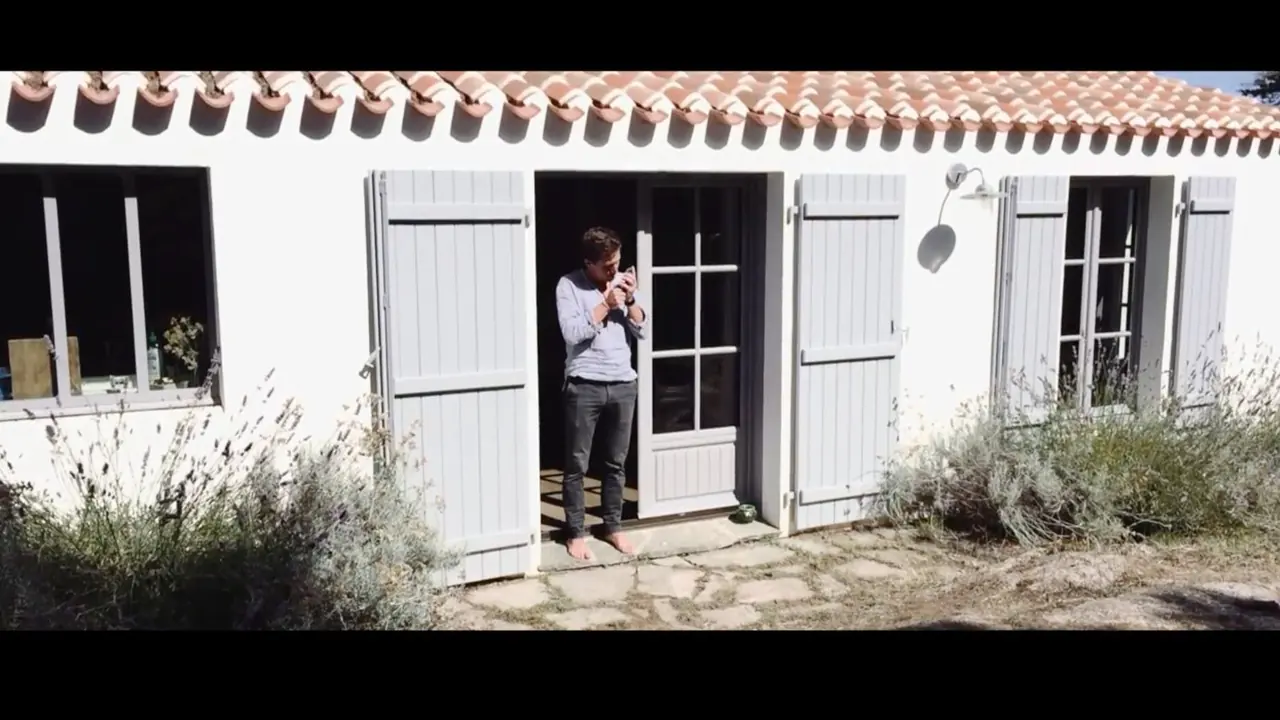
📱 By way of example, years ago I made a short film one summer, with an iPhone 5 or 6 and no notion whatsoever of colour correction or sound recording, and very little idea of editing.
🏡 So I simply set up an improvisation with my brother and sister, then took their most spontaneous reactions to create a dialogue over them, retrospectively, that made me laugh.
🎞 I put title cards between the shots, and turned the whole thing black and white to own the style of old silent films.
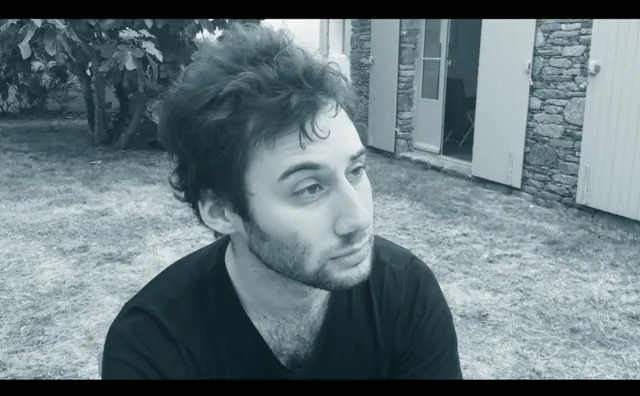
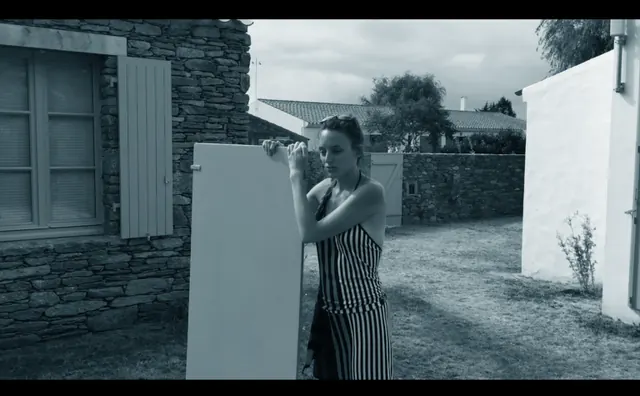
The short film was nothing exceptional, but finishing a small project and getting enthusiastic (and very subjective) feedback from people around me was motivating.
The next time, I wanted to take the time to integrate a correct sound so that there could be dialogues, and to learn how to use the light and correct the shots better in order to keep them in color.
One summer later, Ishot another short film with the iPhone (still the 6 I think, one of the last at the time), choosing more beautiful plans of the Île-d’Yeu, some of them in golden hour, as well as a beautiful old car that a friend, who played in the film with his sisters, could lend us.
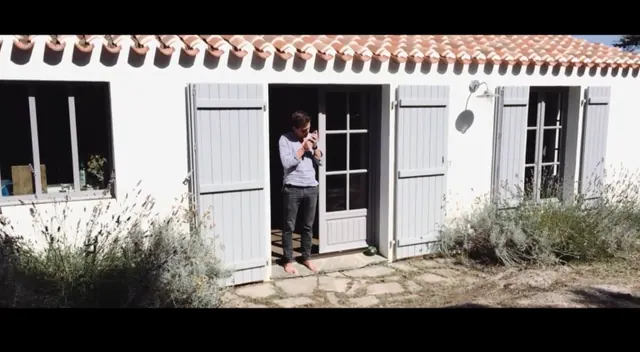
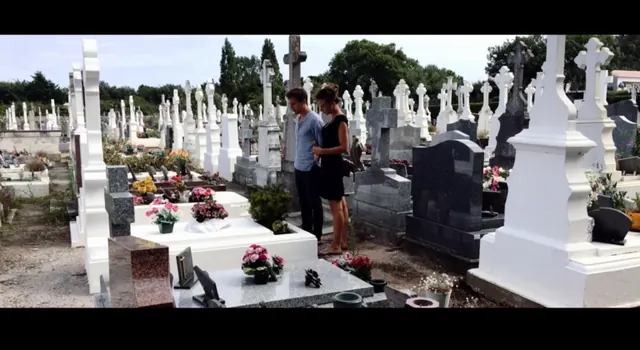
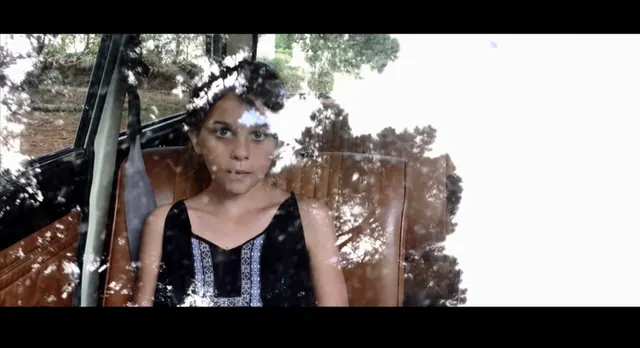
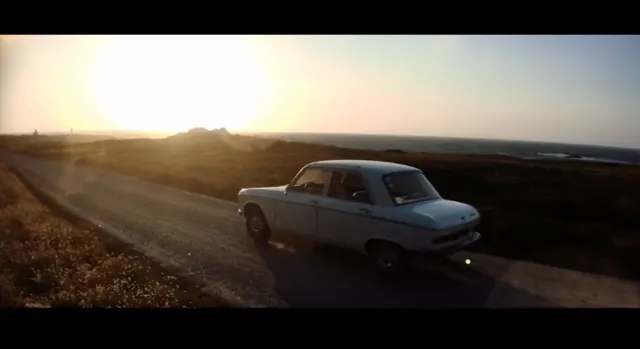
🎨 I composed a story with the actors and the locations I had, mostly trying to make something pretty.
🔊 I finally had sound (not very good, but usable, which I was able to sync to the video).
I was told I could have won a cinematography prize compared with the other films submitted that summer, but that the script was too weak for the short to be selected.
Which motivated me to read a few books on screenwriting, and to bring courses on the subject into the school by inviting outside teachers.
At each small step, and for each small project, especially when it’s short and easy to produce, you get feedback on the many variables and processes that make up the making of a film.
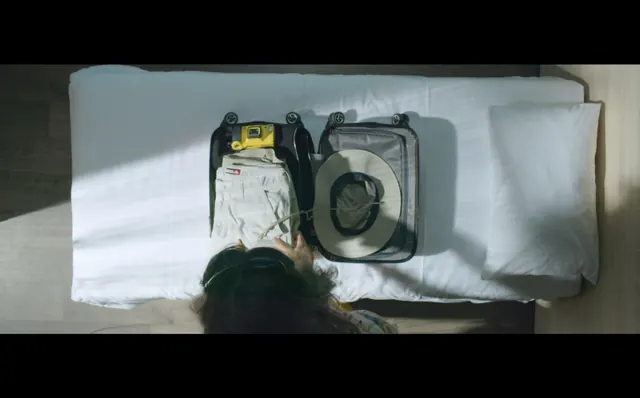
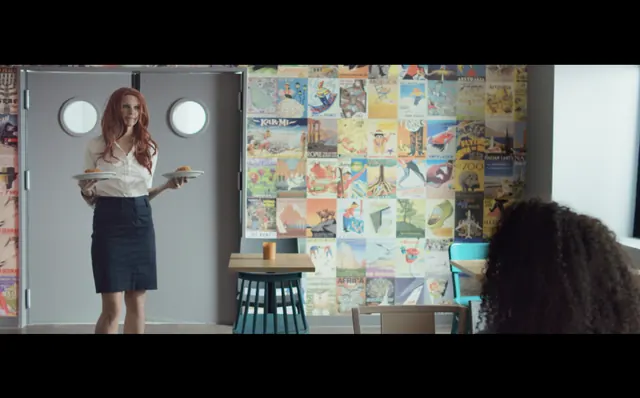
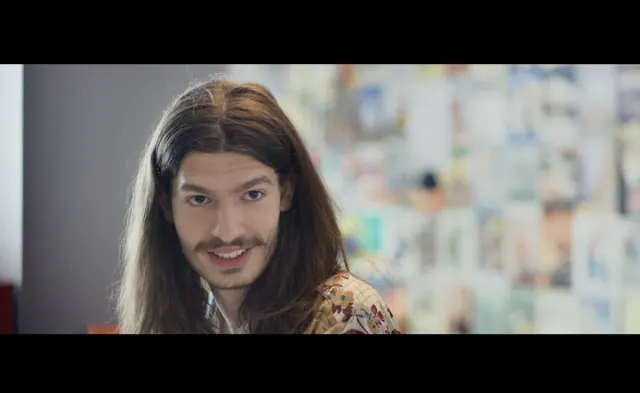
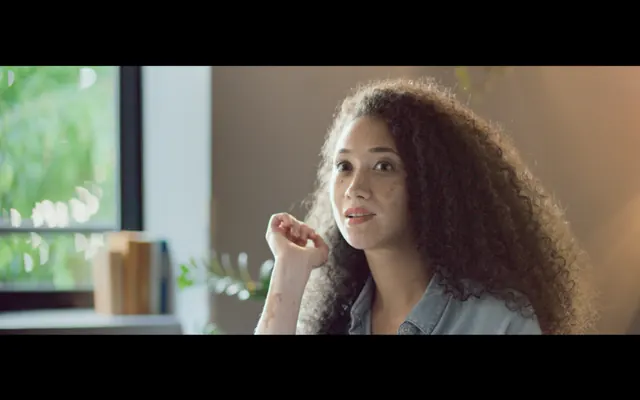
🎬 Since then, I have produced and co-directed the school’s first professional short film, “C’est pas le Pérou!”, co-directed with Guillaume Caramelleand written by Aurélien Laplace.
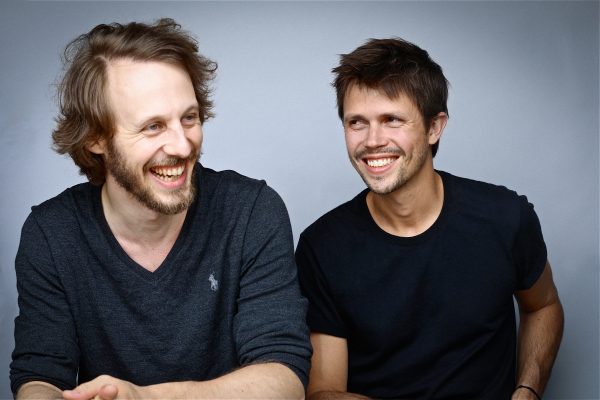
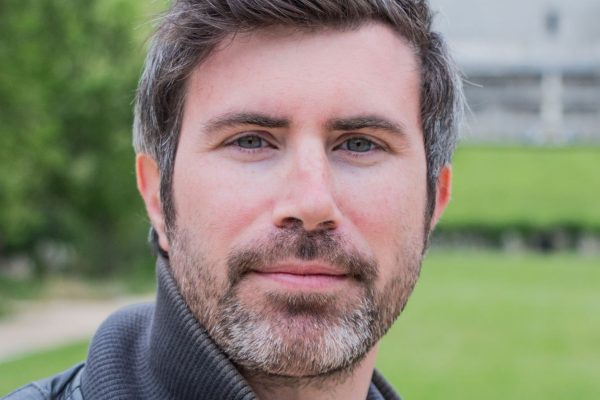
⏳ This more recent step, far more ambitious, costly and time-consuming, also taught me an enormous amount.
🎉 After a long period of writing and shooting, then editing, the film is finally off to festivals!
2️⃣ Obviously record separate sound, of as good a quality as possible
👉 if needed, rent microphones for a day or two, even on a budget of 50 euros in total
👉 (more if you can, since sound quality matters more than image quality for following the story)
Our former teacher Anthony Montes, whom we were talking about earlier, is on the jury of the SF3 FlickFest this summer.
I would be very proud if you won a prize by starting a project after reading this email. Keep me posted 🤓
3. It’s one of the best times to… post-produce
It’s also one of the best times to get into the very instructive and useful post-production stage (explored in our last point “✂️ Take up editing”.)
🧭 Launch a new line of study or a practice related to acting
A shorter section, since it all depends on your own momentum right now, and on your individual needs.
👉 A few leads on our reading list level 1.
👉 A new kind of massage, such as traditional “Thai”, will give you a deeper reset, in one or two hours, and a more fun one, than hours of regular Lee Strasberg-style relaxation exercises, which can be fairly tedious and, as Meisner said, “introvert the introverts”.
👉 Sign up for a programme in September to start experiential work, committing to just one term at first: we have reopened a Monday evening group for the people who were asking us for hours compatible with a weekday job.
👉 ✂️ Take up editing , as we explore below.
✂️ Take up editing
There would be a lot to say about editing too, but it’s probably one of the areas of production that speaks most clearly to what creates the illusion of the character as Sanford Meisner used to say.
And to de-sacralise a little the fine performances we see on screen.
Many actors look, at some point, for a good editor who isn’t too expensive, if only for their showreel, but very few take up editing themselves.
Why? It’s a real shame.
Because you can learn very fast with today’s software, such as Final Cut Pro, Premiere Pro or DaVinci Resolve, which are completely revolutionising production.
And with what’s available for free as tutorials, if only on YouTube.
And it’s even an increasingly sought-after skill, one that can make a serious "side job" alongside your acting career.
🙏 And, for pity’s sake…
😩 Don’t listen to coaches who, under the guise of giving you confidence as actors, recommend that you be “actors only” or hide your other jobs or hobbies, as if you weren’t really actors if you dared to have other interests.
🤔 Isn’t an actor supposed, on the contrary, to take an interest in everything? Following Terence’s motto, "nothing human is alien to me"?
🧐 Isn’t an actor also supposed to have done every job, seen every kind of person, and acquired many skills?
😄 What serious casting director or director is going to penalise an actor who otherwise seems perfect for the part, who brings the idea of the character in the script to life, on the grounds that he didn’t claim to be first and foremost a professional actor? And that he dared to have other occupations?
🤓 Why idealise the "side jobs" needed for the actor’s survival, and look down on the others, including those that have precisely to do with audiovisual work, editing, communication, storytelling, screenwriting, psychology?
🦹 As mentioned above, acquiring the basics of editing will also be one of the most formative experiences, precisely for de-sacralising what Meisner called "the illusion of the character", along with the idea of giving a perfect performance at every moment.
💡 Understanding, in practice, the principle you sometimes hear in creativity or entrepreneurship, "don’t compare their shop window to your back room“.
📝 Don’t compare what you begin to write, as you begin to write, with the finished script of Eternal Sunshine of the Spotless Mind, which took 2 or 3 years to write, like most of Charlie Kaufman’s scripts.
⚠️ Don’t compare your acting either, in training, at a casting or on a shoot, with the acting you see on screen in a film that took months of shooting, a long preparation, and huge crews with a phenomenal budget, then months of selecting rushes, editing, added-on music, and post-production “cheating”…
😭🍿
🔁 This creates unrealistic expectations in actors, which leaves them feeling they don’t measure up, and in a vicious circle they tense up even more and, to compensate, pick up counter-productive overacting habits that are hard to shake off, and which explain the strange recent craze, rather inexplicable otherwise, for “amateurs”, “street castings” or people with no actor training.
🤓 To let your humanity emerge, in writing as in acting, be patient with yourself, and curious about this exploration.
Again in the Letters to a Young Poet, this quote from Rainer Maria Rilke, also present in our community space :
“I would like to beg you, as much as I know how, to be patient in front of everything that is not resolved in your heart. Strive to love your questions themselves, each one like a room that is closed to you, like a book written in a foreign language. Do not look for answers that cannot be given to you at this time, because you would not know how to put them into practice, to “live” them. And it is precisely a question of living everything. Live for the moment only your questions.”
⭐️ The 1-star review technique
💡 If you are afraid of being harshly judged by critics, as if they might reveal your incompetence to everyone, a good remedy is to
👉 take the book or film you love most in the world, the one that for you represents an artistic near-perfection you would have dreamed of authoring,
👉 and then go and read the worst reviews of that work on Amazon or Allociné.
😳 Seeing your artistic ideal torn apart so harshly by these ignoramuses, you will give up more easily on the idea of pleasing everyone.
🎞 Finally, the question of editing to showcase acting is one that has preoccupied me since I started editing, and it also informs our research in Meisner & systemic coaching on preparing actors to act in real shooting conditions.
⏳ A programme on creating and editing your showreel should come out before September, on this subject among others.
🍿 By way of example, here is the one I edited for Laurent Cyr, who has been taking our classes for years, and mostly made from our scenes shot in class, with only 1 hour of shooting per scene each time.
❓ Can you see what impression it gives of casting and possible "characters" for him, while keeping a scripted coherence across these different situations, in subtext?
🤓 Beyond the question of editing, from our point of view it’s above all about discovering, as an actor, the aspects of your personality and active skills that are interesting to watch. Which we’ll talk about in more detail… another time.
I wish you a lovely holiday, and feel free to send me your feedback or questions in reply to this email, I’ll do my best to answer you.
All the best,
Octave